As an Amazon Associate I earn from qualifying purchases. Links on this page may earn 3DPicks a small commission at no extra cost to you.
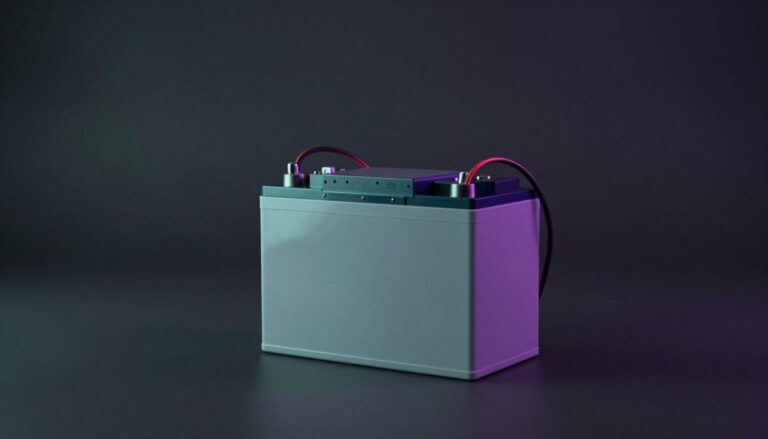
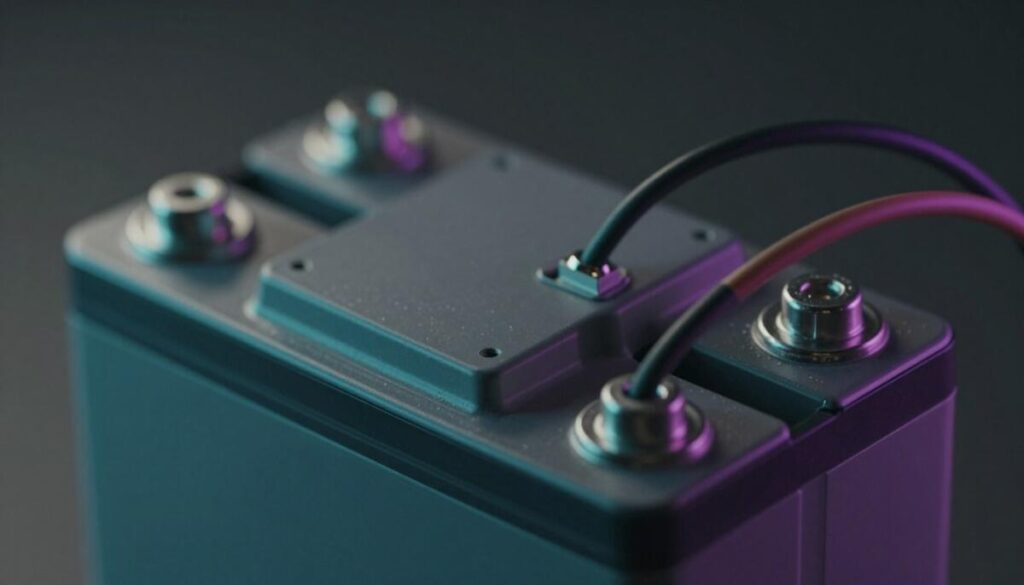
I use this battery for my house, and that is the short version of my review. The ECO-WORTHY 12V 100AH LiFePO4 is a lithium iron phosphate battery. It is the kind of battery people choose when they want to move away from heavy, maintenance-heavy lead-acid. If you decide to buy one, using my Amazon affiliate link helps support the site, and I appreciate it.

What I liked
The biggest thing I can say is that I trust it enough to use it at home. I’m not reviewing it as a gadget that sat on a shelf. It’s part of how I run things at my house.
Beyond that, these are the reasons LiFePO4 is a good fit for home use in general:
- Usable capacity: Lithium iron phosphate can usually be discharged much deeper than a lead-acid battery without being damaged. A 100Ah LiFePO4 battery therefore gives you far more usable energy than a 100Ah lead-acid battery.
- Weight: LiFePO4 is considerably lighter than a lead-acid battery of the same rating, which makes it easier to install and move.
- Low maintenance: There is no watering and no acid venting like a flooded lead-acid battery.
- Long cycle life: LiFePO4 chemistry is known for lasting many more charge cycles than lead-acid. Check the listing for the exact rating of this model.
- Stable voltage: The voltage stays fairly flat while the battery discharges, so your equipment gets steady power until the battery is nearly empty.
What could be better
I haven’t got a long list of complaints, so I won’t invent one. These are the general limits of any single 12V 100Ah LiFePO4 battery, and you should know them before you buy:
- Capacity is modest: A 12V 100Ah battery holds roughly 1,280 watt-hours on paper (12.8V × 100Ah). If you run a 500W load, that is only a couple of hours at best once you allow for inverter losses and a reserve. Bigger systems need several batteries.
- Cold weather: Most LiFePO4 batteries should not be charged below freezing unless they have built-in low-temperature protection or heating. Read the specs if the battery will live in a garage, shed or unheated space.
- Upfront cost: Lithium usually costs more to buy than lead-acid. Its longer life and usable capacity are what make up for that over time.
- Charger compatibility: It needs a charger, solar controller or converter with a lithium profile, or at least one that can be set to the right voltages.
Who it’s for
This battery suits people who want dependable stored power without lead-acid upkeep. Typical uses include home backup for small loads, solar setups, RVs, vans, boats and off-grid cabins. It also works as a building block: many people buy one first and add more later to scale up.
It’s less suitable if you need to run large appliances for hours, or if you want a whole-house system from a single battery. For that you’ll need several batteries, a properly sized inverter and a planned installation.
What to check before buying
- Your daily energy use: Add up the watts of what you want to run and for how many hours. Compare that with about 1,280Wh, and keep some margin.
- The BMS current limit: The built-in battery management system caps continuous discharge current. Make sure it covers your inverter and loads. At 12V, a 1,000W load draws roughly 83A before losses.
- Series and parallel limits: If you plan to expand, check what the manufacturer allows for connecting batteries together.
- Charging equipment: Confirm your charger or solar controller supports LiFePO4 charging.
- Cables and fusing: Use correctly sized cable and a proper fuse or breaker. High-current DC wiring is not the place to cut corners.
- Temperature and location: Check the operating and charging temperature ranges against where you’ll install it.
- Warranty and support: Read the warranty terms on the listing so you know what is covered.
FAQ
Can a 12V 100Ah LiFePO4 battery power a house?
One battery can cover small loads and short backup needs, such as lights, a router or electronics. Running an entire house takes much more capacity and a properly designed system. How far one battery goes depends on what you plug into it.
Do I need a special charger for LiFePO4?
You need a charger or solar charge controller with a lithium (LiFePO4) setting, or one that lets you set the correct voltages. A charger made only for lead-acid batteries may not charge it properly.
Is LiFePO4 better than lead-acid?
For most people, yes, especially for regular cycling. LiFePO4 is lighter, offers more usable capacity and typically lasts more cycles. Lead-acid is still cheaper upfront, which can matter for occasional or very low-budget use.
Verdict
I use the ECO-WORTHY 12V 100AH LiFePO4 for my house, and that says more than a spec sheet does. It’s a practical, low-maintenance way to get lithium power. Just match its capacity and current limits to your needs, use a compatible charger, and wire it safely. If that fits what you’re building, it’s a solid choice.
As an Amazon Associate I earn from qualifying purchases. Links on this page may earn 3DPicks a small commission at no extra cost to you.